Strong glutes support everyday movement and help power squats, stairs and hip hinges. Build them with a mix of hip-extension and single-leg patterns, using a range of comfortable options. You can train effectively at home with bodyweight or a band, or use dumbbells and machines in the gym.
Try two nonconsecutive sessions
Workout A: hip thrust or glute bridge, Romanian deadlift, supported split squat or low step-up, and band walk or hip-abduction machine. Workout B: goblet squat or sit-to-stand, comfortable-depth leg press or bridge, cable or quadruped kickback, and side-lying leg raise or clamshell. Begin with two sets per move: about 8-12 reps, or 10-15 for smaller band movements. Keep each rep smooth and pain-free.
Build over four weeks
Week 1 is for learning the movements. In week 2, add a rep or two per set if form feels solid. In week 3, add a third set to selected exercises if recovery is good. In week 4, increase resistance slightly only when all sets are controlled and near the top of the rep range. Rest 60-90 seconds or longer as needed.
Choose a range of motion that feels comfortable, use a stable setup, and stop if technique slips. No single exercise can choose where body fat changes, and results vary. If you are pregnant, recently postpartum, returning from injury, or experiencing pelvic-floor symptoms, seek individualized advice before changing training.

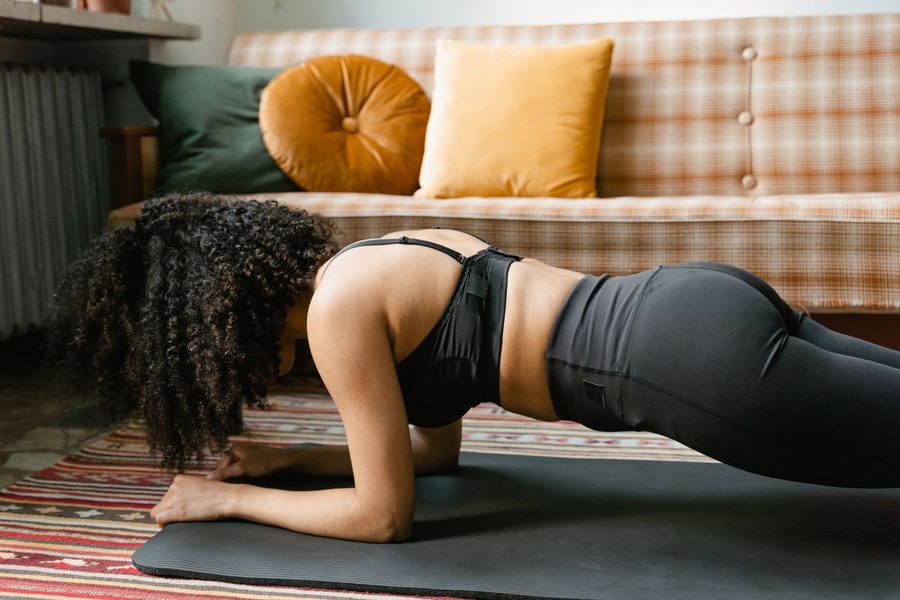 CORE TRAINING
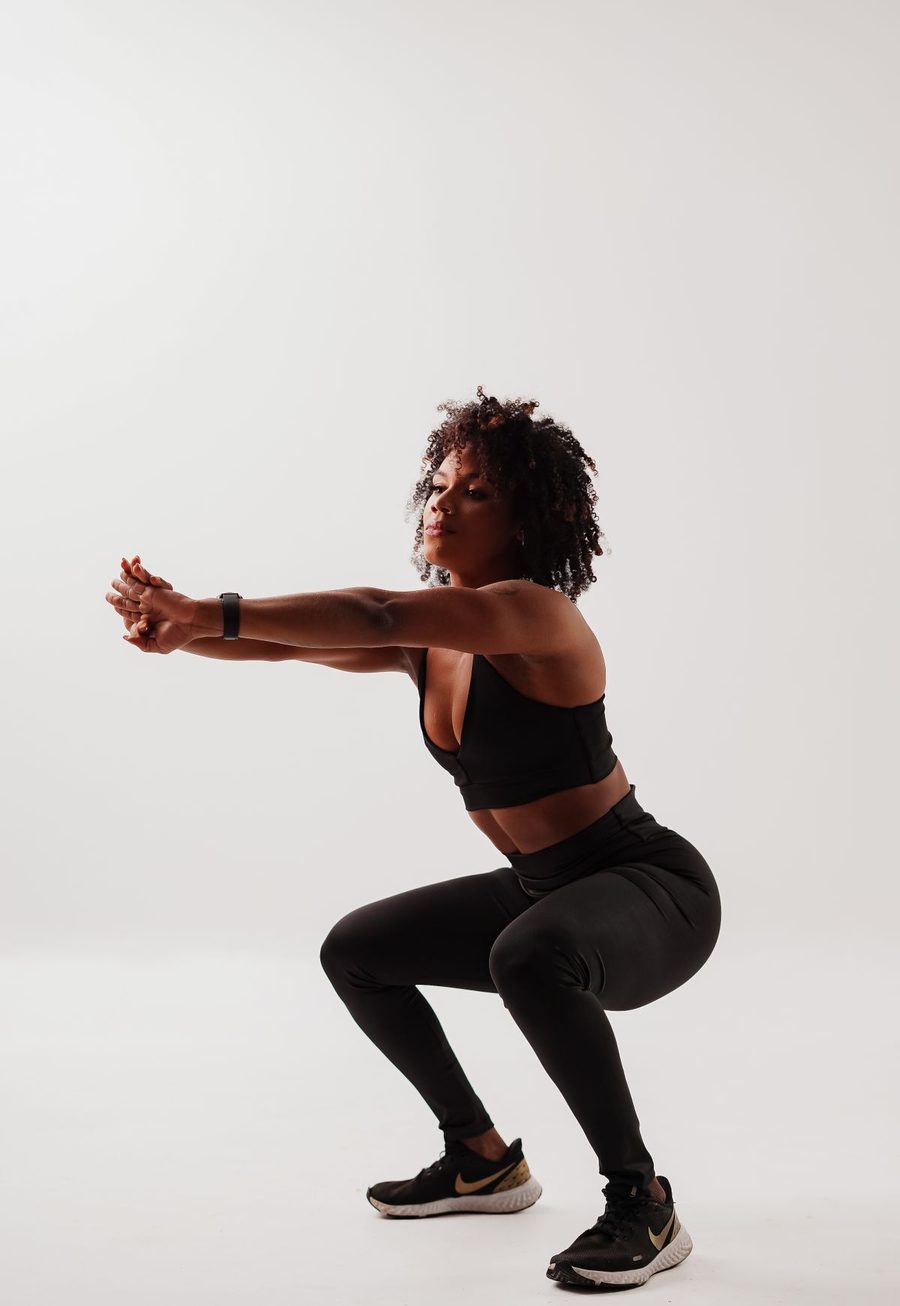 GLUTE TRAINING
 ARTICLE 03